
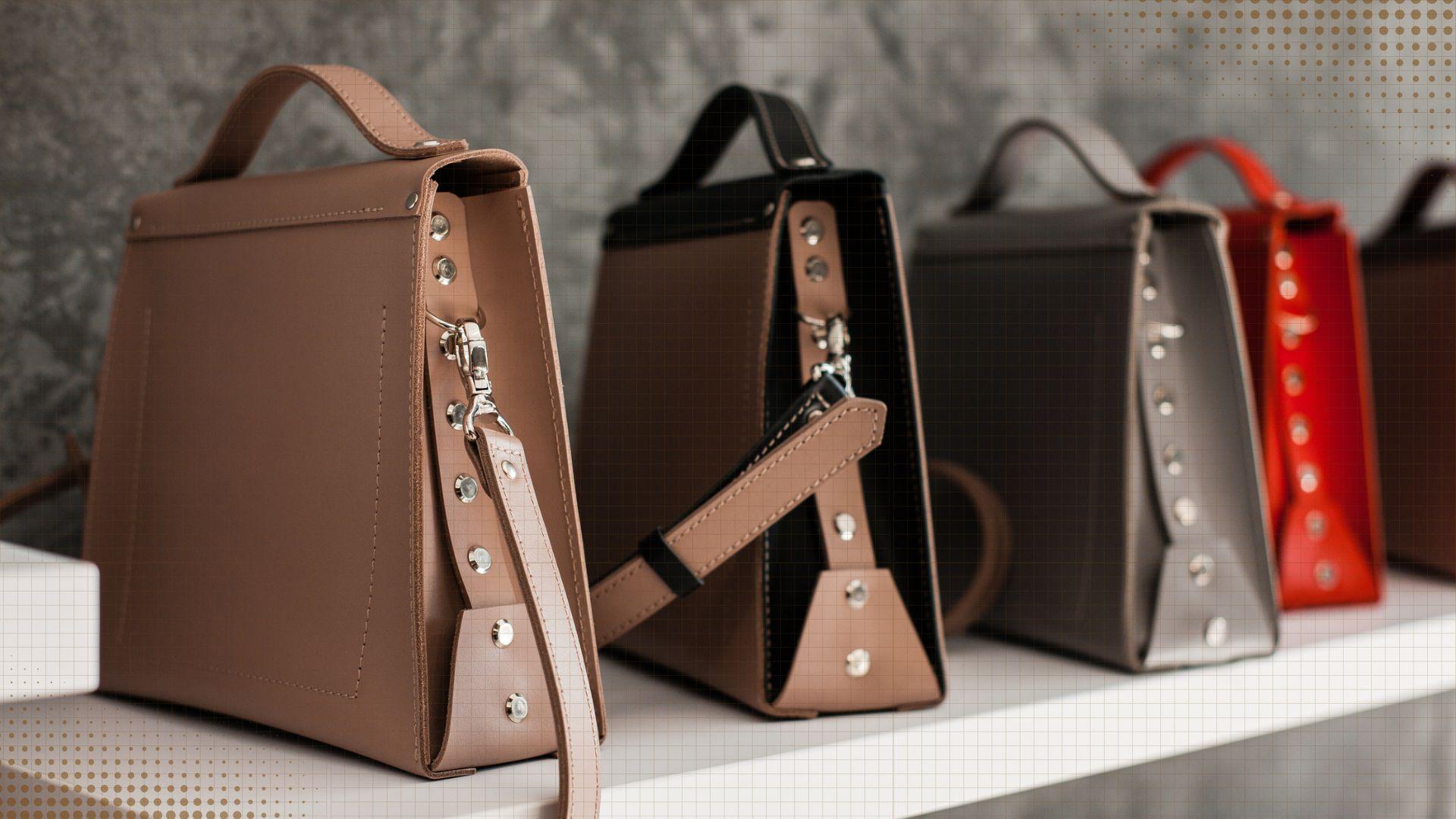
Know What You're Buying
A plain guide to full-grain, top-grain, “genuine” and faux leather — and how to care for each.
Understanding the Labels
Four terms you will see on leather and leather-look products.
Full-Grain Leather
The top layer of the hide with its natural grain left intact — not sanded or buffed. It is the strongest and most breathable grade, shows natural marks, and darkens and softens with use (patina).
Top-Grain Leather
The top layer with the surface lightly sanded and finished. It looks more uniform and resists stains better at first, but it is a little less breathable and develops less patina than full-grain.
“Genuine” Leather
A trade term that only means the material is real leather. It is often used for lower layers of the hide (split leather) with a coated or embossed surface, so it says little about grade on its own.
Faux Leather (PU)
A polyurethane coating on a fabric backing, also sold as PU leather, vegan leather or leatherette. It is lighter and usually less expensive. It does not develop patina, and with heat and repeated flexing the coating can eventually crack or peel.
How to Tell What a Piece Is Made Of
- Read the material line. Every LeatherK product page states the material, gives the manufacturer's description, or says it is not specified.
- Look for the words PU, polyurethane, faux, vegan or synthetic in a listing. These all mean the piece is not animal leather.
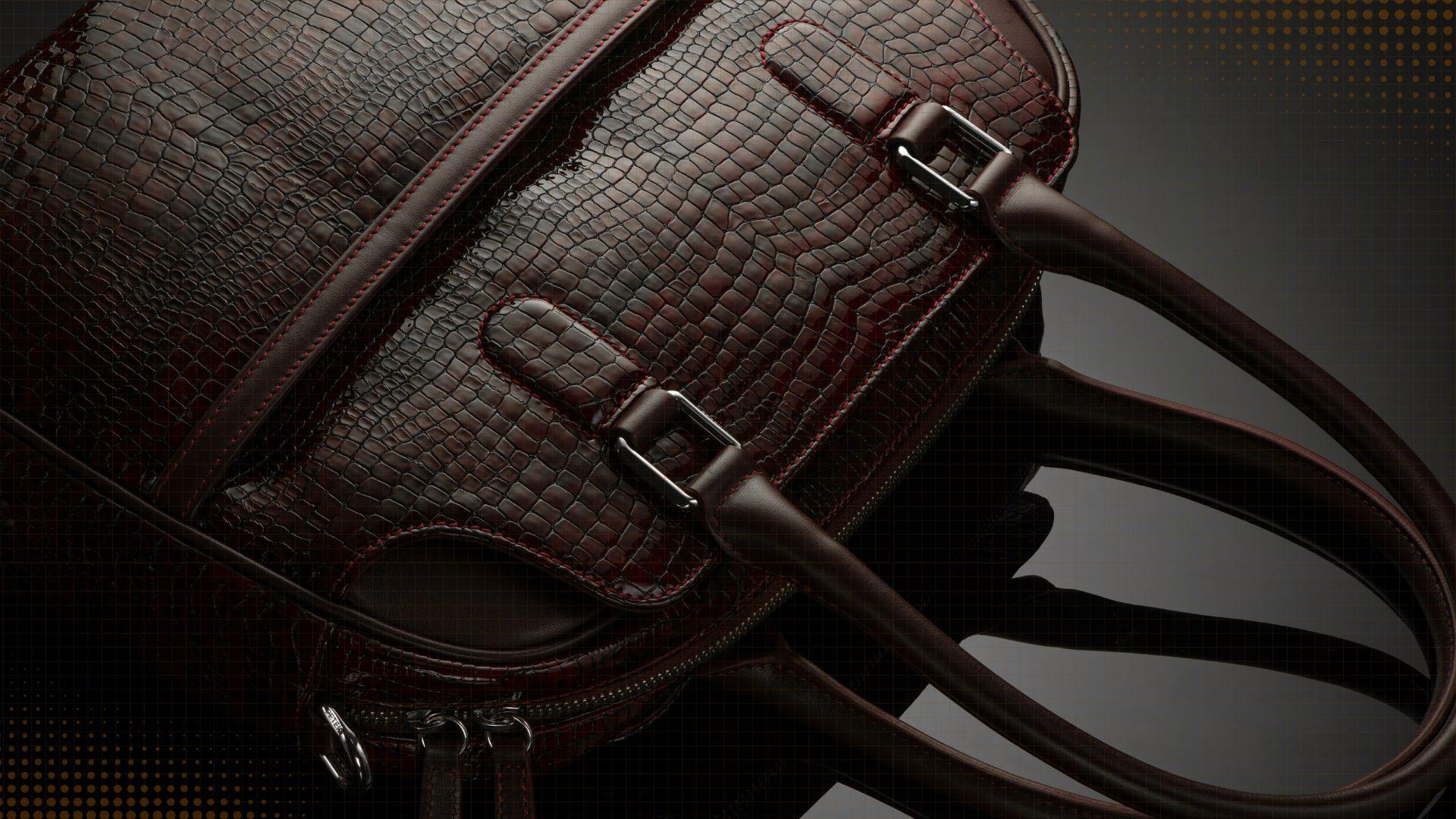
- Real leather shows irregular pores and small variations; a perfectly repeated surface pattern is usually embossed.
- Check edges where they are visible: real leather shows fibres in cross-section, while PU usually shows a fabric backing.
- If the material matters to your decision and a listing does not say, ask us before you order.
Care Basics
Real leather and faux leather need different care.
Real leather
- Wipe off dust and marks with a soft, dry cloth.
- Condition occasionally with a product made for the leather type; test it on a hidden spot first.
- Let it dry naturally at room temperature if it gets wet — never on a radiator or with a hair dryer.
- Store it stuffed with paper, out of direct sunlight, in a breathable bag rather than plastic.
Faux leather (PU)
- Clean with a soft cloth, lukewarm water and a little mild soap, then dry with a clean cloth.
- Do not use leather conditioners, alcohol or solvents; they can damage the coating.
- Keep it away from heat and long periods of direct sun, which speed up cracking.
- Store bags stuffed and upright, and hang jackets on wide hangers, to avoid sharp creases.
More detail in our guide to genuine vs faux leather.