
Buying Guides
How to Choose a Leather Wallet: A Complete Guide
The right wallet starts with what you actually carry. Here is how to pick a style, judge the material and construction, and decide whether RFID blocking matters.
By LeatherK Editorial Team · · 7 min read
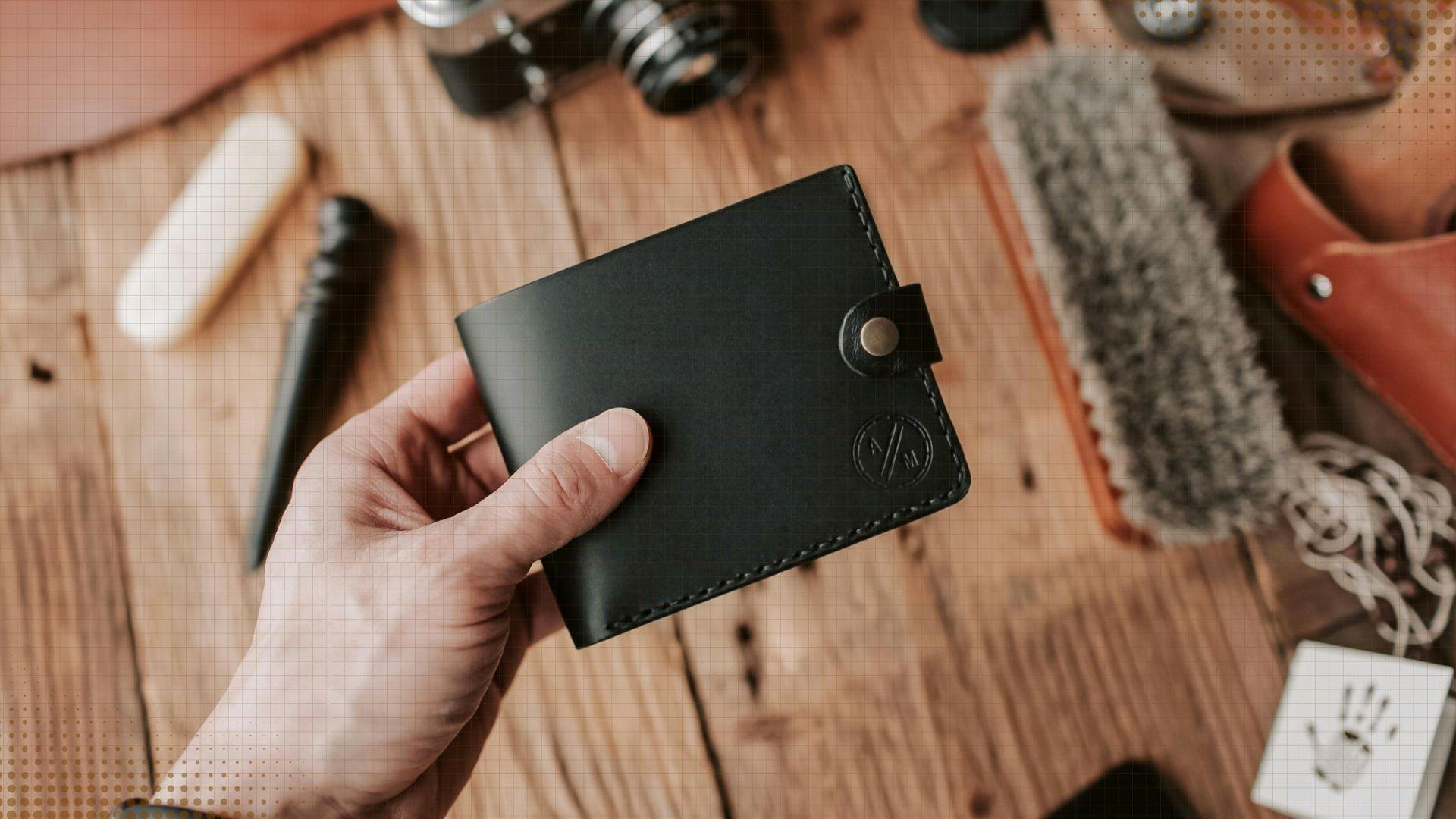
A wallet is handled more often than almost anything else you own. The best one for you is the one that fits your real routine: the cards you use, whether you carry cash, and which pocket or bag it lives in.
Start with what you carry
Empty your current wallet and sort it into three piles: used weekly, used occasionally, never used. Then answer:
- How many cards do you use in a typical week?
- Do you carry paper money, and do you want to keep it flat?
- Do you need a place for coins or receipts?
- Will the wallet live in a front pocket, a back pocket, or a bag?
Wallet styles compared
| Style | Holds | Best for |
|---|---|---|
| Cardholder / slim wallet | About 4–8 cards, folded notes | Front-pocket carry, mostly cashless |
| Bifold | 6–12 cards, flat notes | Everyday carry with some cash |
| Trifold | More cards and an ID window; thicker | Carrying a lot, often in a jacket or bag |
| Money clip wallet | A few cards plus folded notes | Minimal cash carry |
| Long / zip-around wallet | Many cards, flat notes, coins, phone in some | Carrying in a bag |
| Wristlet / phone clutch | Phone, cards, cash | Going out without a bag |
Check the size
Standard bank cards measure 3.37 × 2.13 inches (85.6 × 54 mm). US bills are about 6.14 × 2.61 inches, so a bifold that keeps notes flat needs to be a little wider than 3 inches when folded. If a listing gives dimensions, compare them with the wallet you already have.
Thickness matters more than length for pocket comfort. A wallet that is too thick is uncomfortable to sit on and stretches pockets.
Choose the material
Wallets are made in both real and faux leather. Real leather softens and moulds to its contents over time and can be conditioned; good full-grain or top-grain leather lasts well even in a thin wallet. Faux (PU) leather is lighter and less expensive and wipes clean easily, but the coating tends to wear first at the fold and the card-slot edges.
Check the material line on any wallet you consider. On LeatherK, faux leather wallets are labelled as faux leather, and wallets the manufacturer describes as genuine leather show that as the manufacturer’s specification.
Judge the construction
- Card slots should be snug at first; good leather relaxes slightly with use.
- Look for stitching at the corners of each slot — they take the most strain.
- Edges should be smoothly finished or neatly folded, without fraying.
- The fold should open flat without cracking.
- Zips on coin pockets should run smoothly.
Do you need RFID blocking?
RFID-blocking wallets have a lining that stops contactless cards from being read through the wallet. Real-world card skimming of this kind is uncommon, and contactless card payments use a one-time code for each transaction, which limits what a thief could do with intercepted data. RFID blocking is a reasonable extra if it gives you peace of mind, but it should not be the main reason to choose a wallet. Note that it also blocks building access and transit cards while they are inside the wallet.
Choosing a wallet as a gift
Look at what the person carries now: a heavy cash user will not enjoy a slim cardholder, and someone who pays with their phone may not want a trifold. Neutral colours — black, dark brown, tan — are the safest choice.
From the collection
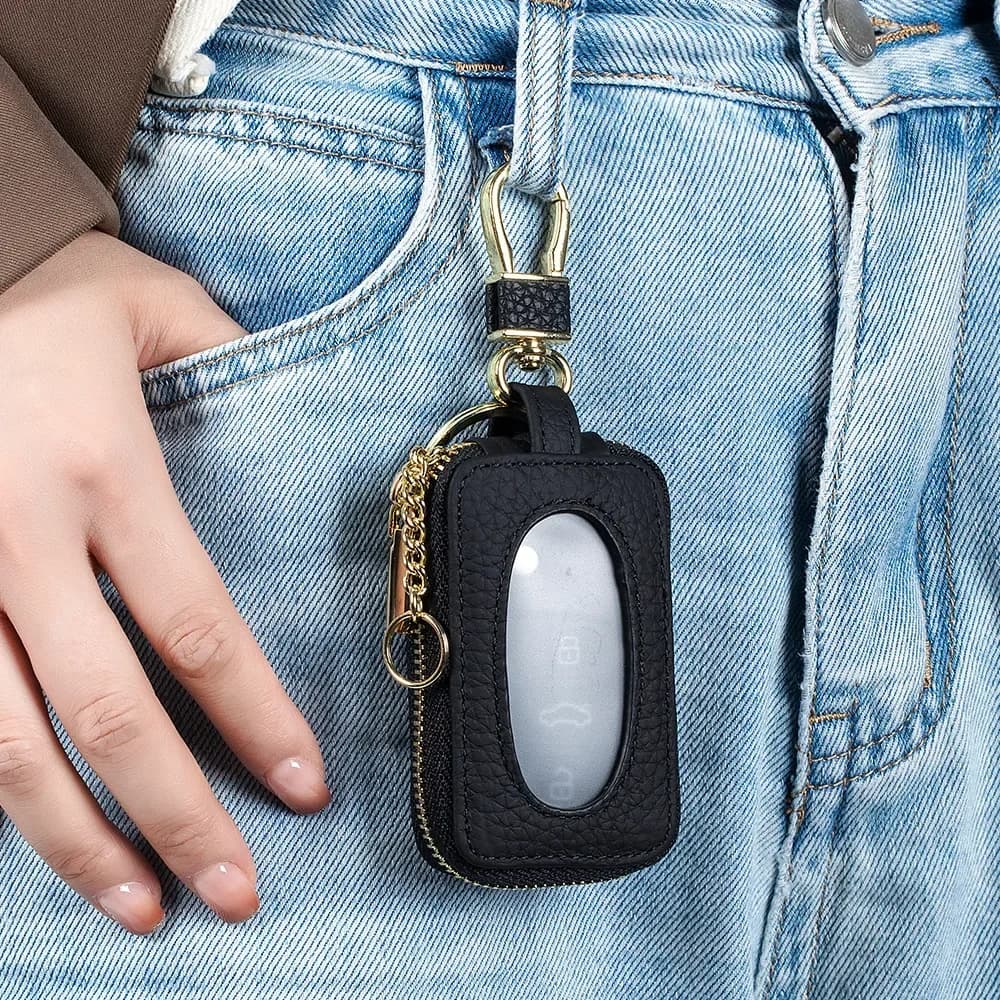
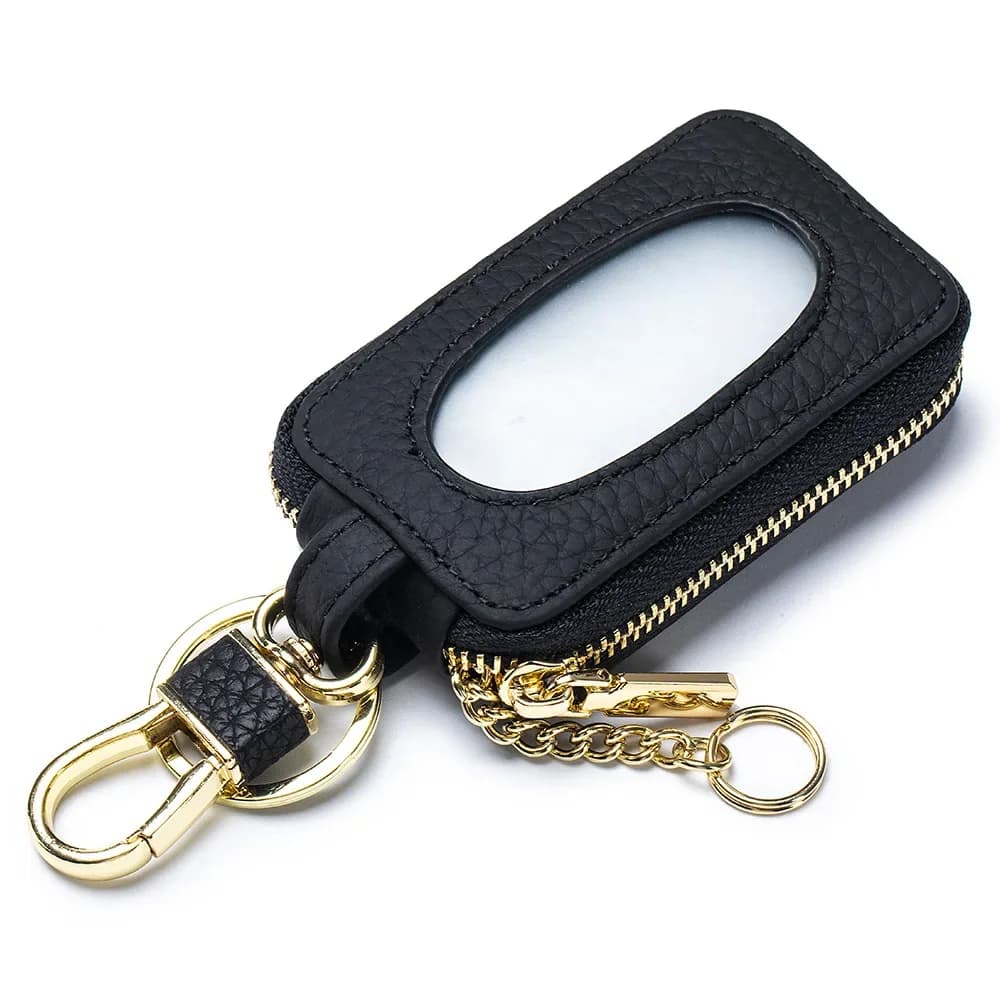
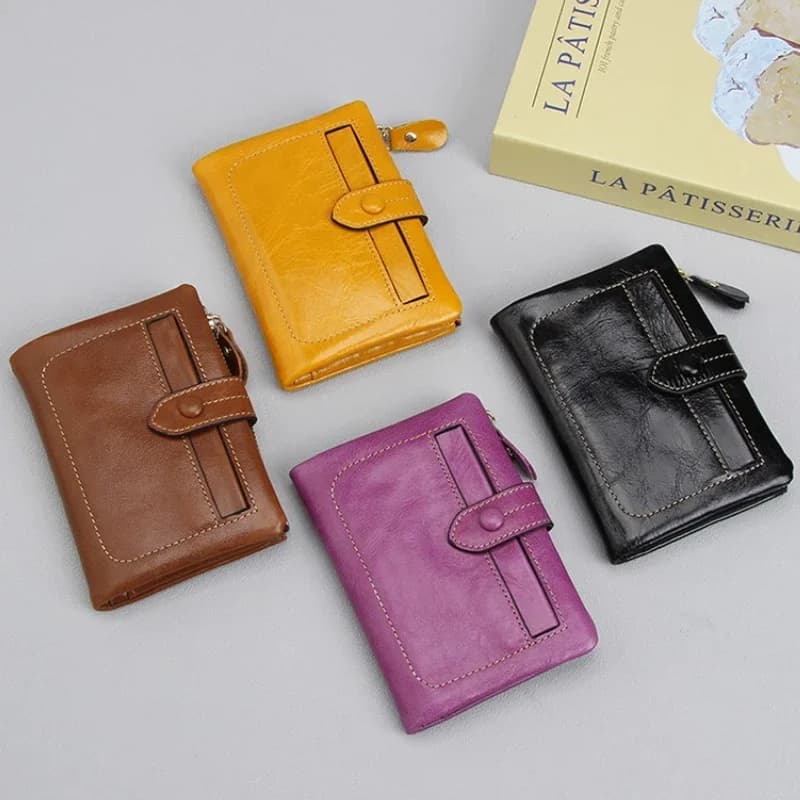
Pieces to look at next
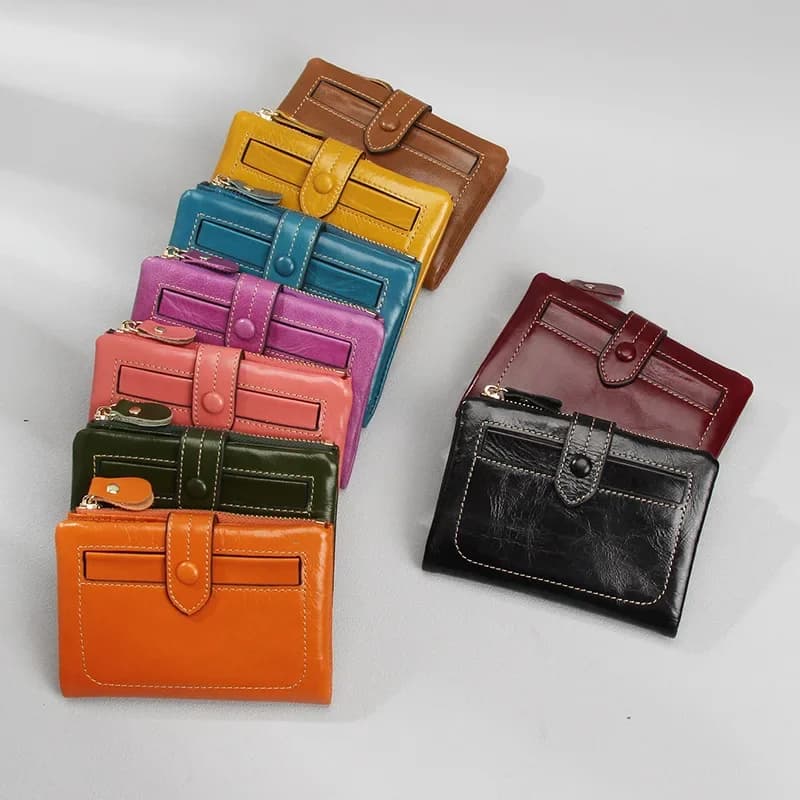
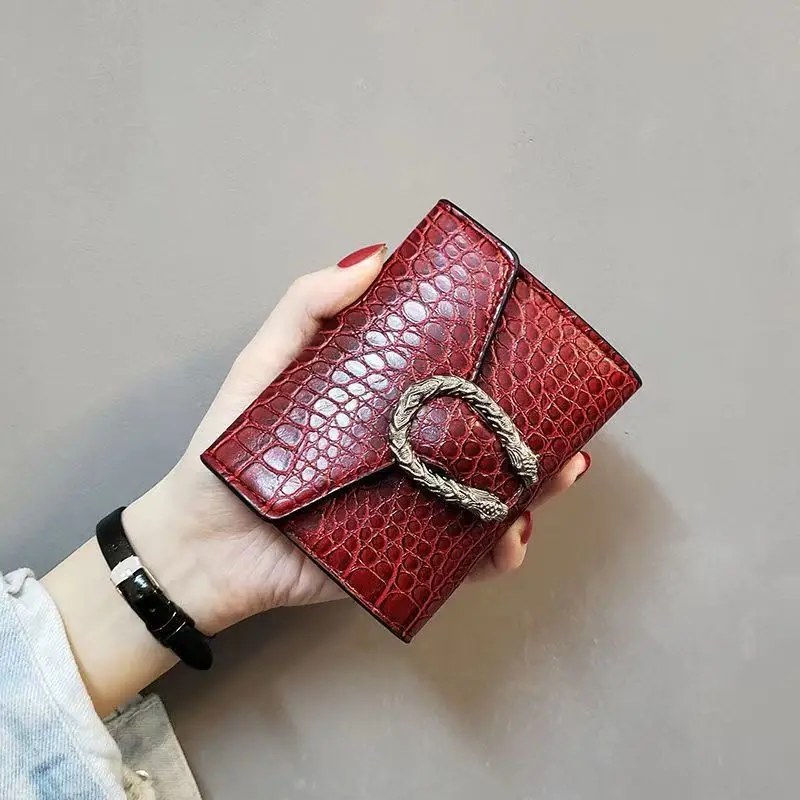
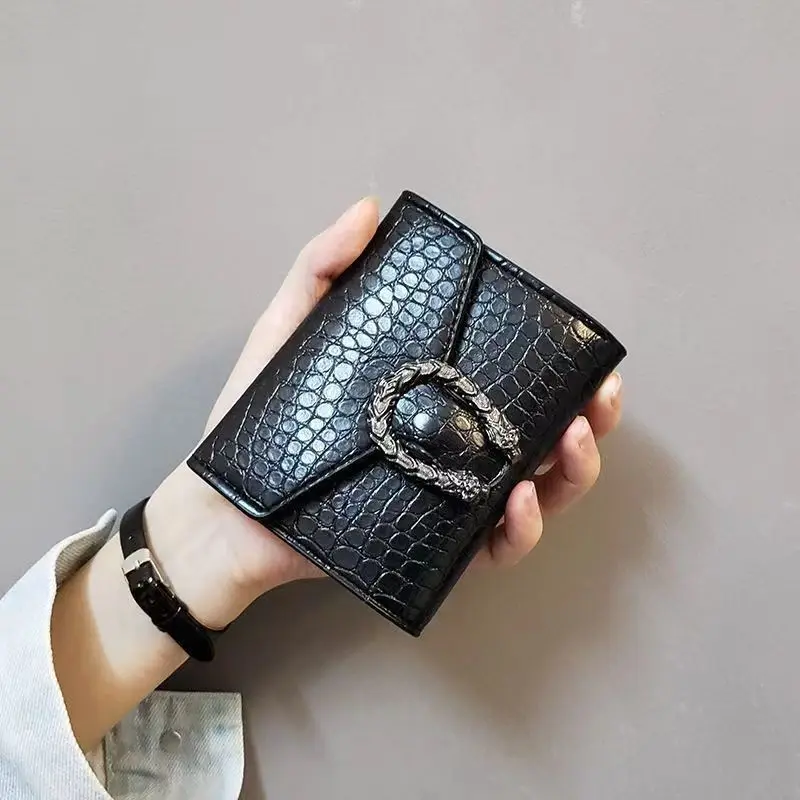
Check each product's material line before you order.
Keep reading
Buying Guides
How to Identify High-Quality Leather Products
Quality shows up in a handful of places you can check in a minute: the label, the surface, the edges, the stitching and the hardware.
Materials
Genuine Leather vs Faux Leather: What’s the Difference?
The labels on leather and leather-look products are confusing on purpose. Here is what each one actually tells you, and how to decide what is right for you.
Care
How to Clean and Maintain Leather Products (Real and Faux)
Real leather and faux leather need different care. Here is a simple routine for each, plus what to do about water, stains and storage.