
Buying Guides
How to Identify High-Quality Leather Products
Quality shows up in a handful of places you can check in a minute: the label, the surface, the edges, the stitching and the hardware.
By LeatherK Editorial Team · · 6 min read
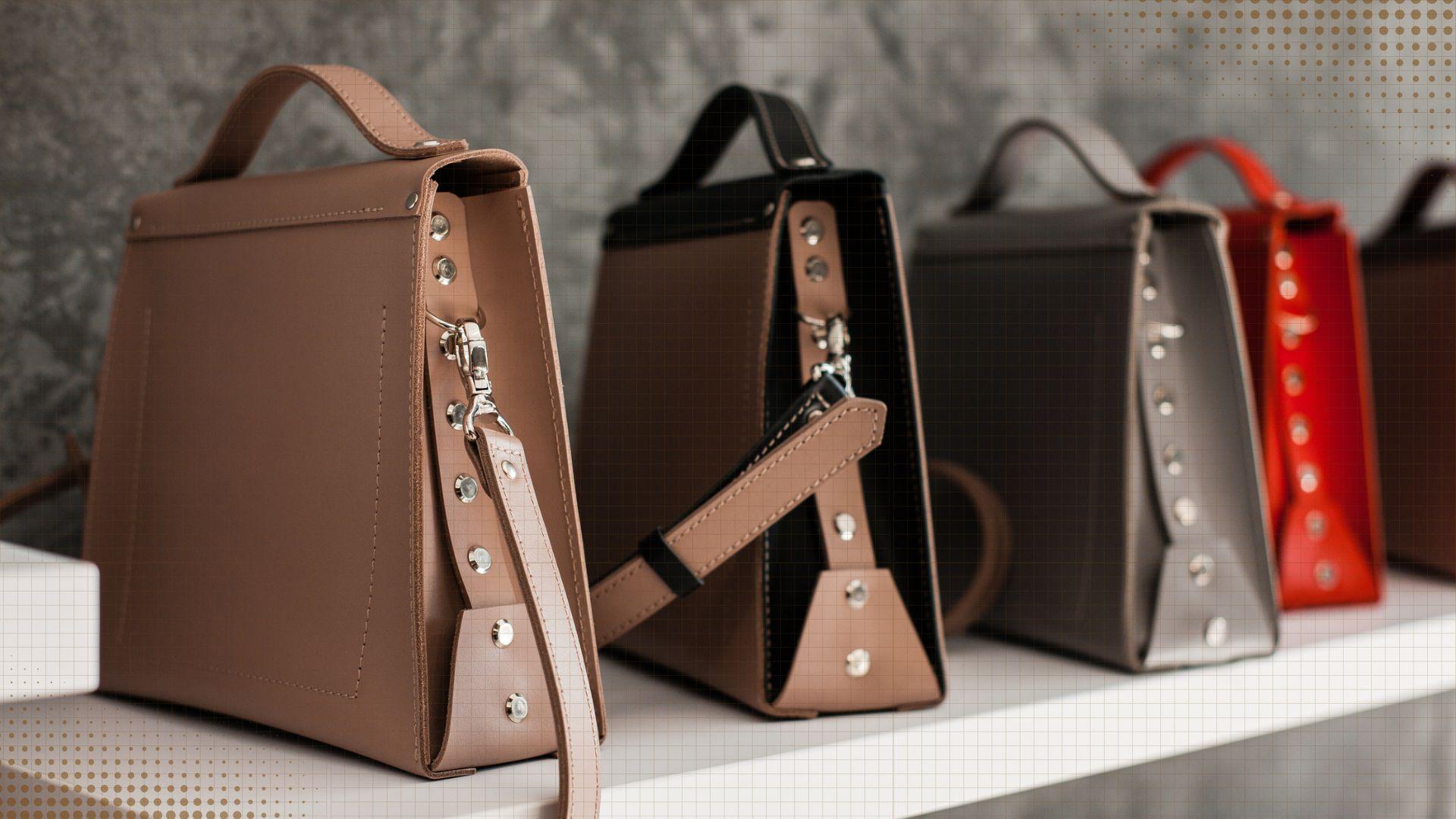
You do not need to be a leatherworker to spot a well-made piece. Most shortcuts are visible if you know where to look, and the same checks work whether the item is real leather or faux.
1. Read the label first
Full-grain and top-grain describe the strongest layers of the hide. “Genuine leather” only tells you the material is real leather, often a lower layer. “Bonded leather” is reconstituted scraps. “PU leather”, “vegan leather” and “leatherette” are synthetic. If a listing avoids naming the material at all, ask.
2. Look closely at the surface
Natural grain has irregular pores, small creases and slight variations from one area to the next. A perfectly regular pattern repeated across the whole piece is usually embossed — either on a corrected leather surface or on a synthetic coating. Crocodile and snake patterns on everyday bags are almost always embossed, not exotic skin.
3. Check the edges
Edges are where shortcuts show first. On real leather, a cut edge shows a fibrous cross-section; it may be painted, burnished or folded over. On faux leather, a cut edge usually reveals a fabric backing, so edges are folded or covered.
- Painted edges should be smooth and even, without bubbles, gaps or cracking.
- Folded edges should be tight and consistent, with no fabric peeking through.
- Look at corners and handle ends, which take the most wear.
4. Inspect the stitching
Stitching holds everything together, so small flaws here matter.
- Stitches should be evenly spaced and run in straight or smoothly curved lines.
- There should be no loose threads, skipped stitches or puckering.
- The ends of seams should be secured, not just cut off.
- Stress points — handle attachments, strap anchors, card-slot corners — should be reinforced with extra stitching or rivets.
5. Test the hardware
Zips should run smoothly without catching, and pulls should feel solid. Buckles, rings and clasps should be metal with an even finish, not plastic with a metallic coating that can chip. A strap that clips on should do so firmly, with no play in the hook.
6. Look inside
A good interior is finished with the same care as the outside. Check that the lining is stitched in neatly, that seams are not raw or fraying, and that pockets are sewn in rather than glued.
Tests that do not work well
Smell is unreliable: finished leather may smell faintly, and synthetic goods can be scented. The water-drop test only works on unfinished leather, since most finished leather repels water too. Never try a burn test on something you intend to keep.
Applying this when you shop online
Online, you cannot touch the piece, so lean on information. Look for a stated material, close-up photos of the edges, stitching and interior, dimensions and weight, and a clear return policy. When something you care about is missing, ask the seller before you order. On LeatherK, every product page has a material line that says whether a piece is faux leather, described as genuine leather by its manufacturer, or not specified.
From the collection
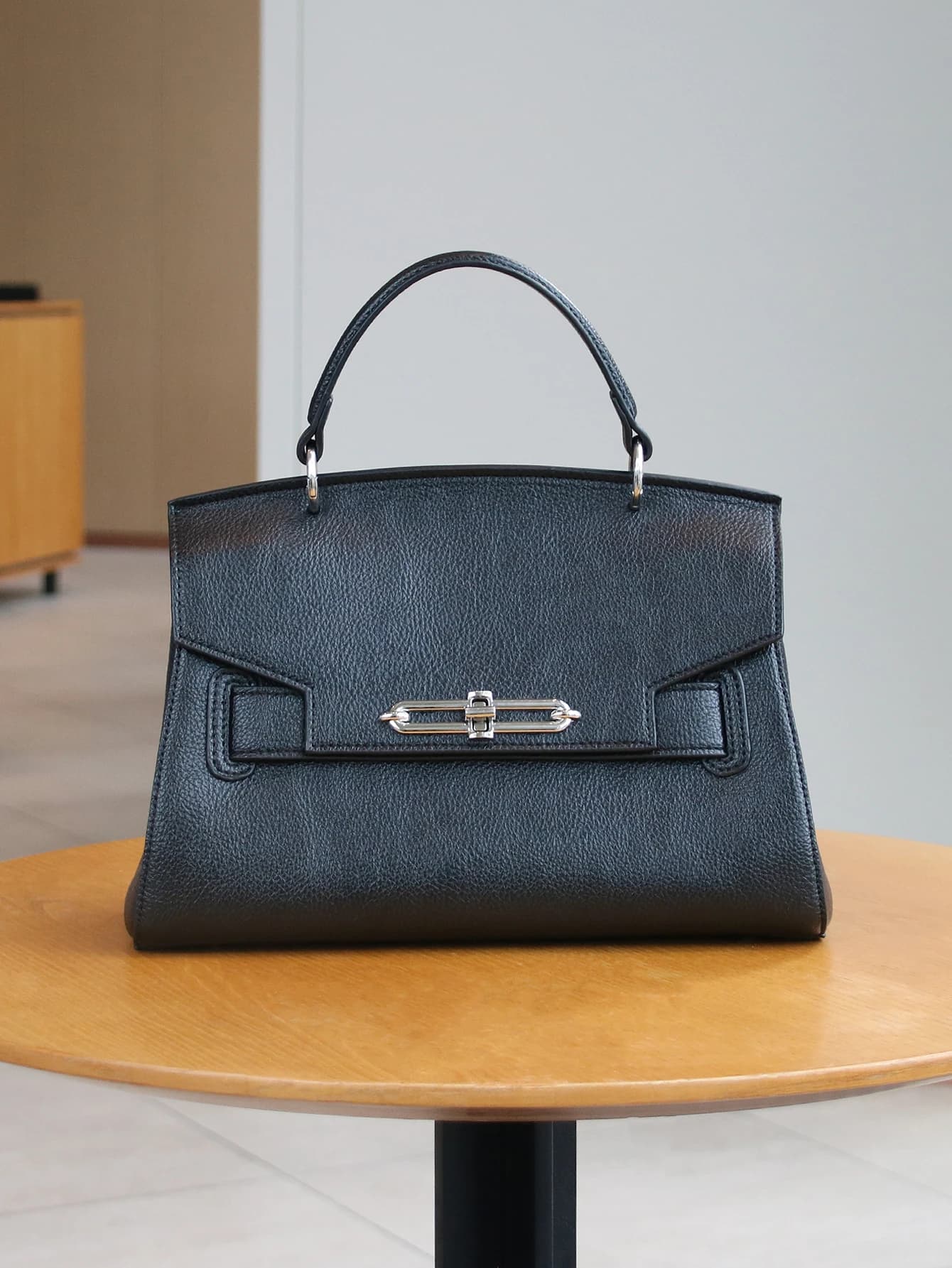
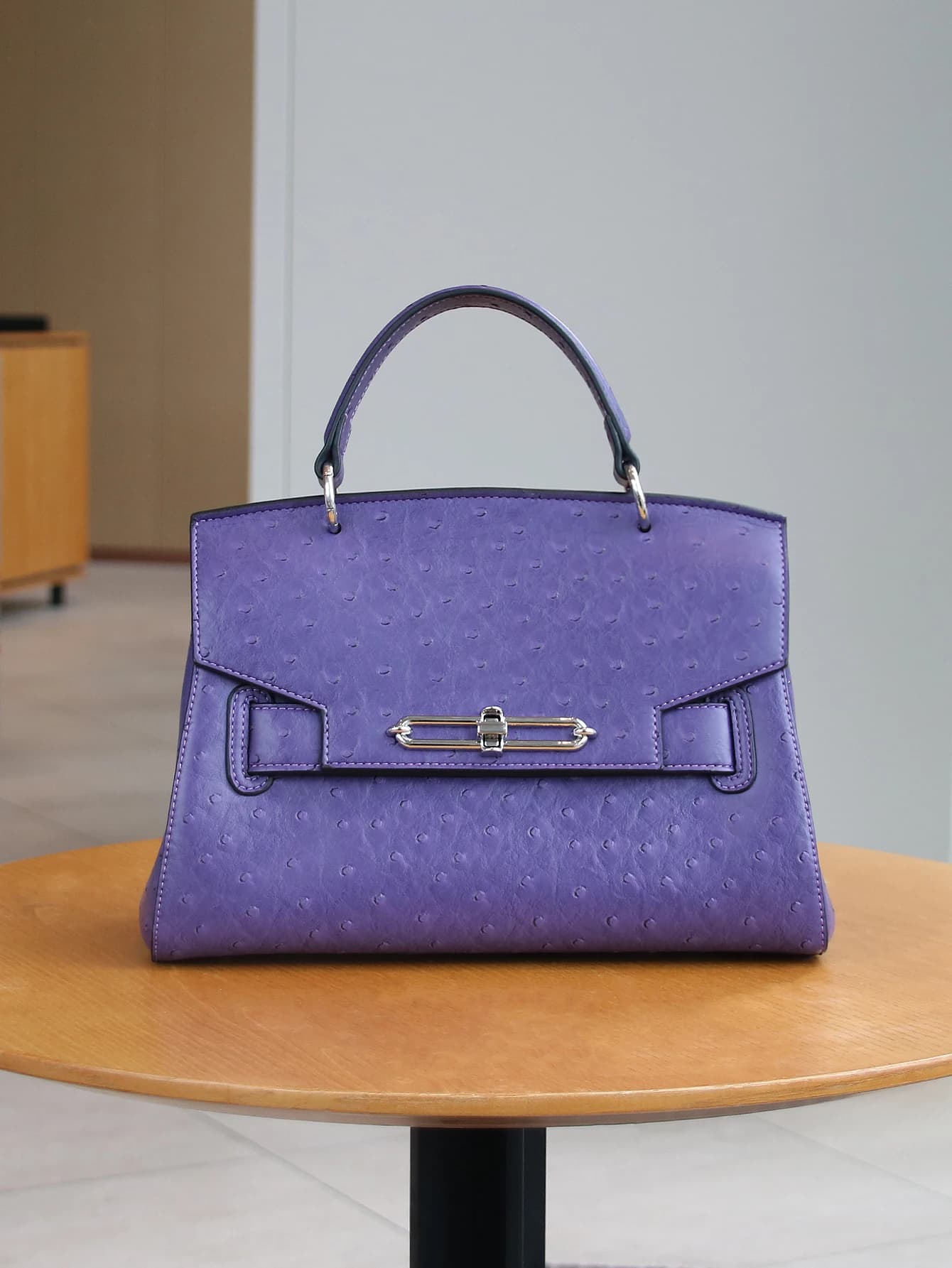
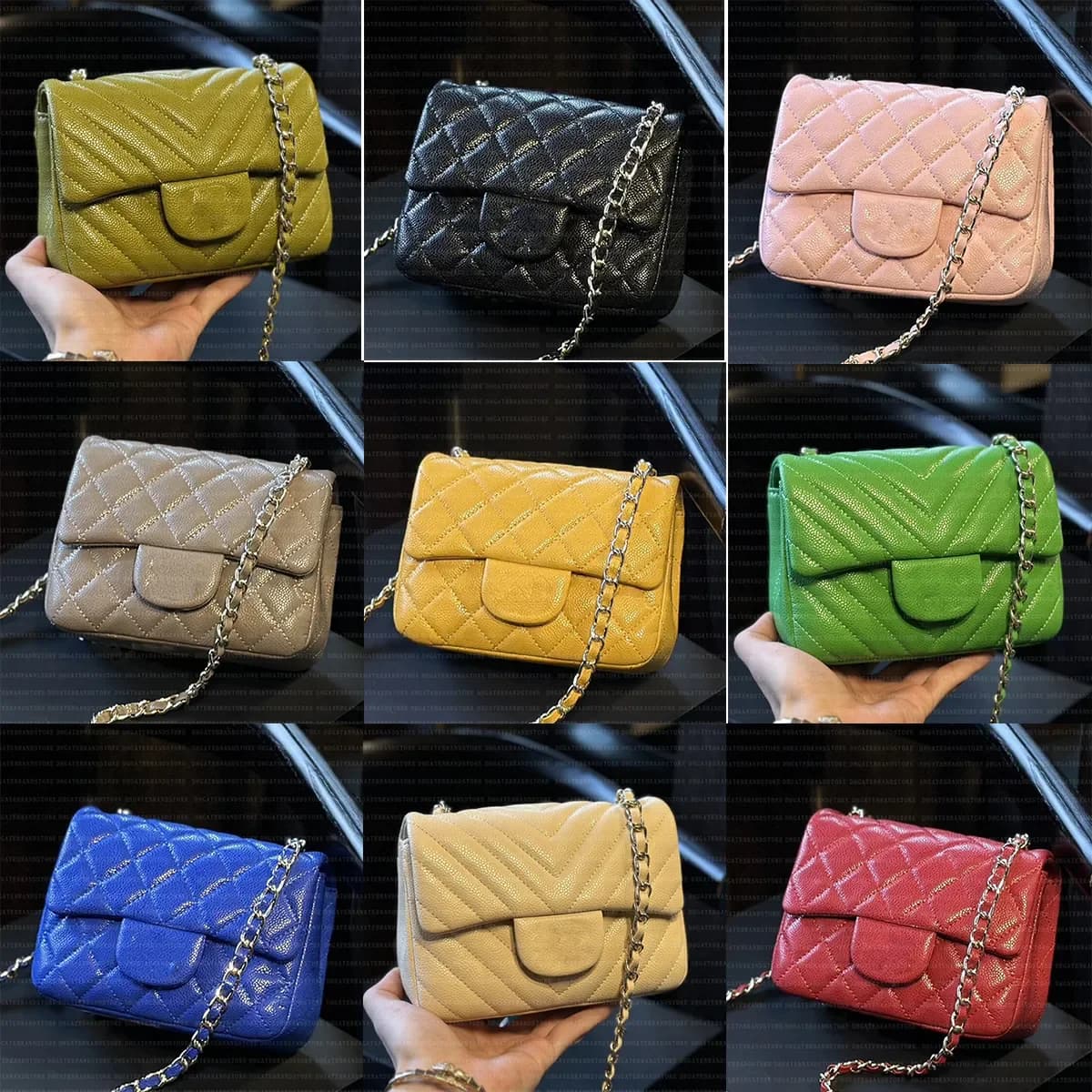
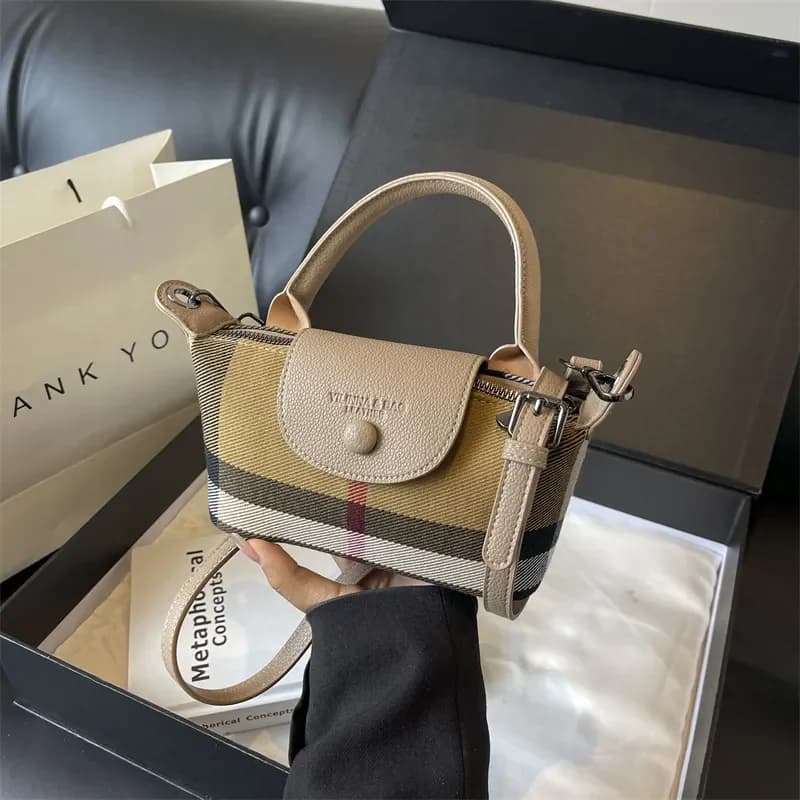
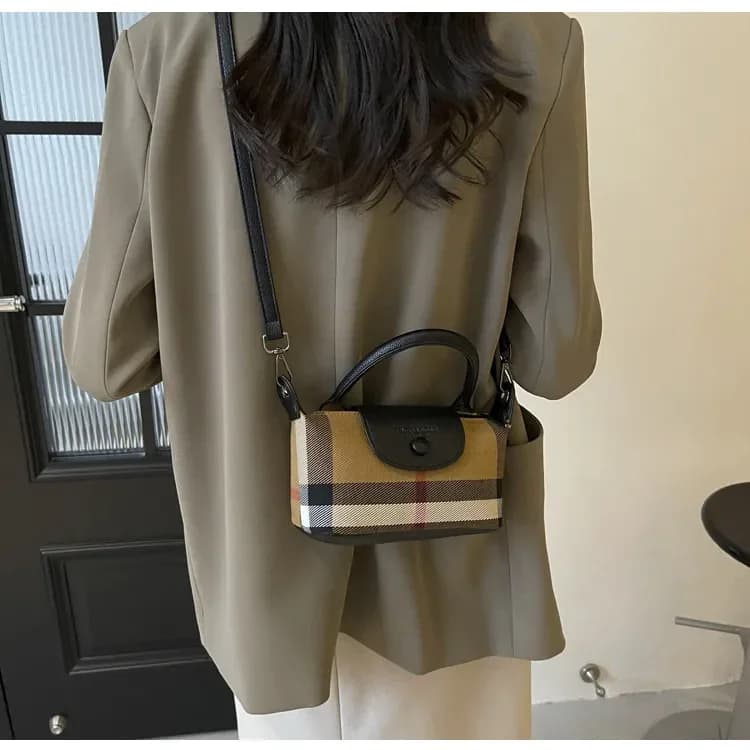
Pieces to look at next
Check each product's material line before you order.
Keep reading
Materials
Genuine Leather vs Faux Leather: What’s the Difference?
The labels on leather and leather-look products are confusing on purpose. Here is what each one actually tells you, and how to decide what is right for you.
Buying Guides
How to Choose the Right Leather Product Online
Buying leather and leather-look goods online means relying on information instead of touch. Here is what to check before you order.
Buying Guides
How to Choose a Leather Wallet: A Complete Guide
The right wallet starts with what you actually carry. Here is how to pick a style, judge the material and construction, and decide whether RFID blocking matters.